In recent years, the powder coatings sector has made notable progress in both technology and application. Early powder coatings were constrained by curing processes and could only be effectively applied to light-gauge metal parts. However, with the advent of technologies featuring a broader curing window, the curing efficiency for heavier-gauge products has significantly improved, substantially expanding the scope of powder coating applications. At the same time, edge coverage on sharp corners has been continuously optimized, effectively enhancing corrosion resistance—since coatings naturally tend to flow away from edges during melt leveling, improved formulations have markedly addressed this limitation.
Today, performance requirements for powder coatings are far more demanding than they were two decades ago. The production of powder primers has increased considerably, driven by the growing use of powder coatings in extreme environments. Primers significantly improve corrosion protection, and under severe service conditions, a dual-layer system of primer plus topcoat can impart a higher level of protection to the final product. In addition, the industry is actively researching lower-curing-temperature formulations to further reduce energy consumption and promote green manufacturing.
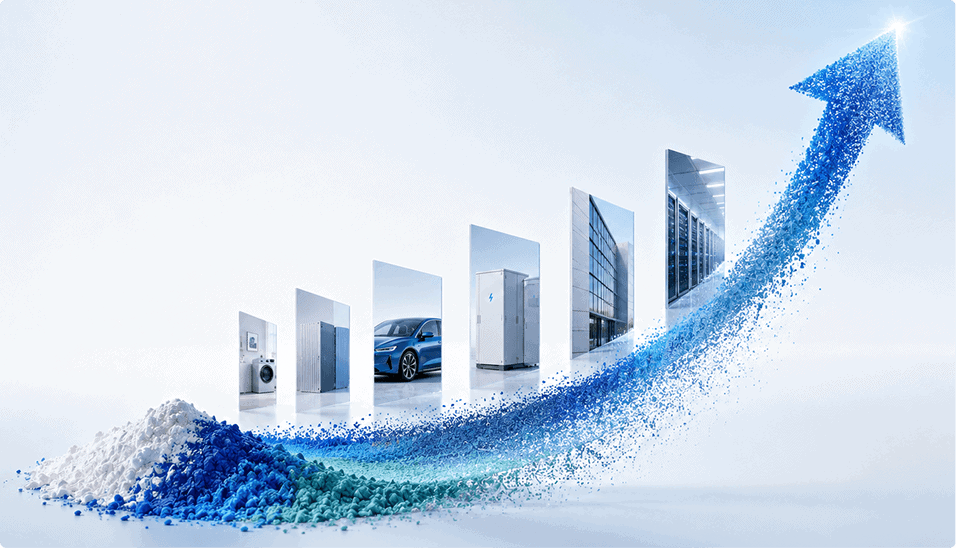
Looking ahead, the powder coatings market still holds strong growth potential. Although the rate of conversion from liquid coatings to powder coatings has slowed somewhat in recent years, various macro trends continue to inject fresh momentum. The rapid expansion of global electric vehicle production and the clear demand for durable, weather-resistant coatings in construction projects have become core engines driving powder coating growth, continuously broadening the relevance and applicability of powder coatings across diverse application scenarios.
Low-temperature curing powder technology has attracted widespread attention, as it not only reduces energy consumption but also shortens production cycles and improves throughput—a particularly valuable advantage amid current shortages of skilled labor and rising workforce costs. At the same time, there is a strong market demand for solutions that reduce material usage per unit area and optimize overall energy consumption, as these help customers remain cost-competitive. Innovations such as thin-film powder technology, intelligent process optimization tools, and curing energy calculators are all aimed at supporting higher efficiency, lower costs, and more sustainable production operations.
Growth is expected in industries such as transportation equipment, heavy machinery, automotive manufacturing, and infrastructure-related sectors including construction, electrical equipment, and general civil engineering. As macroeconomic trends continue to evolve and the concept of sustainability gains deeper public acceptance, the environmental attributes of powder coatings—which not only meet increasingly stringent regulatory requirements but also help companies fulfill their own carbon-reduction commitments—place this technology in a favorable position. With its core advantages of high efficiency, energy savings, and environmental friendliness, powder coatings are steadily moving toward even broader application prospects.